Published July 1, 2026
Why the First Week on the Market Matters So Much

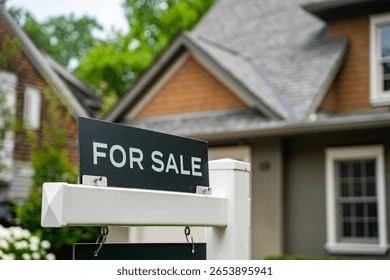
The first week a home is on the market sets the tone for everything that follows. It is when your listing gets the most attention, the freshest exposure, and the strongest opportunity to create urgency with buyers. If that window is missed, it can be difficult to recover the same momentum later.
That is why the first week matters so much. It is not just about getting a home online. It is about launching with strategy, presentation, and pricing that make buyers pay attention right away.
New Listings Create the Most Excitement
Buyers are constantly watching for new inventory. The moment a home hits the market, it shows up as fresh, relevant, and worth a look. That initial exposure creates a natural spike in interest because serious buyers know the best homes do not always sit around for long.
In those first several days, your listing has the best chance to capture buyers who are ready, motivated, and actively searching. That first impression can lead to strong showing activity, faster feedback, and in the best cases, multiple offers.
Pricing Right From Day One Is Critical
One of the biggest mistakes sellers make is treating the first week as a testing period. They come on high, assume they can adjust later, and hope the market will prove them right. The problem is that overpricing in the beginning can cost more than a price reduction fixes.
When a listing is priced right from day one, it attracts the strongest buyer pool immediately. When it is overpriced, buyers hesitate, showings slow down, and the home can start to feel stale. Even after a reduction, buyers often wonder what was wrong with it in the first place.
The market is always giving feedback. The first week gives it fast.
Presentation Impacts Perception
Photos, staging, condition, and marketing all matter before a buyer ever walks through the door. In today’s market, buyers form opinions quickly. If the home does not look polished online, many will never schedule a showing at all.
The first week is when your presentation has the greatest leverage. Strong photography, clean design, thoughtful staging, and a clear marketing plan help create confidence and increase the likelihood that buyers will act.
Days on Market Change the Conversation
The longer a home sits, the more questions buyers start asking. They wonder whether it is overpriced, whether something is wrong with it, or whether the sellers are getting nervous. That shift affects negotiating power.
In the first week, a seller has the strongest position. The listing feels new. Interest is highest. Buyers are less likely to assume weakness. Once the property lingers, the conversation often changes from excitement to skepticism.
Early Momentum Creates Better Leverage
Momentum matters. A listing that gets early showings, strong traffic, and positive response has a better chance of creating competition. Competition creates leverage. Leverage helps sellers protect price, timing, and terms.
Even when a home does not receive multiple offers, early activity still helps. It gives the agent real feedback, helps refine strategy quickly, and keeps the listing from drifting without direction.
The Goal Is Not Just to List, It Is to Launch
There is a major difference between putting a home on the market and launching it well. A strong launch means the home is fully prepared, priced correctly, professionally marketed, and positioned to create immediate interest.
Sellers only get one chance to make a first impression. That is why the first week matters so much. It is the window where preparation and strategy can create the biggest payoff.
The Bottom Line
If you are thinking about selling, do not treat the first week casually. That early market window can influence showing activity, buyer perception, negotiating strength, and ultimately the final outcome.
The homes that win early are usually the ones that are ready before they ever hit the market. When pricing, presentation, and promotion all align from day one, the first week can become your biggest advantage.